Carpet Mold Inspection or Testing: Which One Do You Need?
Understanding the difference between carpet mold inspection and carpet mold testing
When you suspect mold in your carpet, two terms come up: inspection and testing. They sound similar but serve different purposes. Knowing which one fits your situation can save time and help you address the problem correctly. Mold in carpets is not just a cosmetic issue. It can affect indoor air quality and the health of people in the building. The right approach depends on what you already know and what you need to find out.
What carpet mold inspection involves
An inspection is a visual and sensory examination of the carpet and the surrounding area. A trained professional looks for signs of moisture, discoloration, musty odors, and visible mold growth. They also check for conditions that encourage mold, such as leaks, high humidity, or poor ventilation. The inspector may use tools like moisture meters or infrared cameras to detect hidden dampness. But they do not take samples for lab analysis. The goal is to identify whether mold is likely present and to locate the source of moisture.
Inspection is the first step. It helps you understand the scope of the problem without the cost of laboratory testing. For many situations, inspection alone is enough. If you see mold or smell it, you already know it is there. The next step is to stop the moisture source and remove the contaminated material. Carpet Mold Removal Services Pros carpet mold removal services can handle that process once the inspection confirms the issue.
What carpet mold testing involves
Testing goes a step further. It involves collecting samples from the carpet, the air, or surfaces in the room and sending them to a lab for analysis. Testing can identify the type of mold present and measure the concentration of spores. This is useful when you need to confirm the presence of mold that is not visible, or when you need specific data for a legal or medical reason. Testing is also common after remediation to verify that the cleanup was effective.
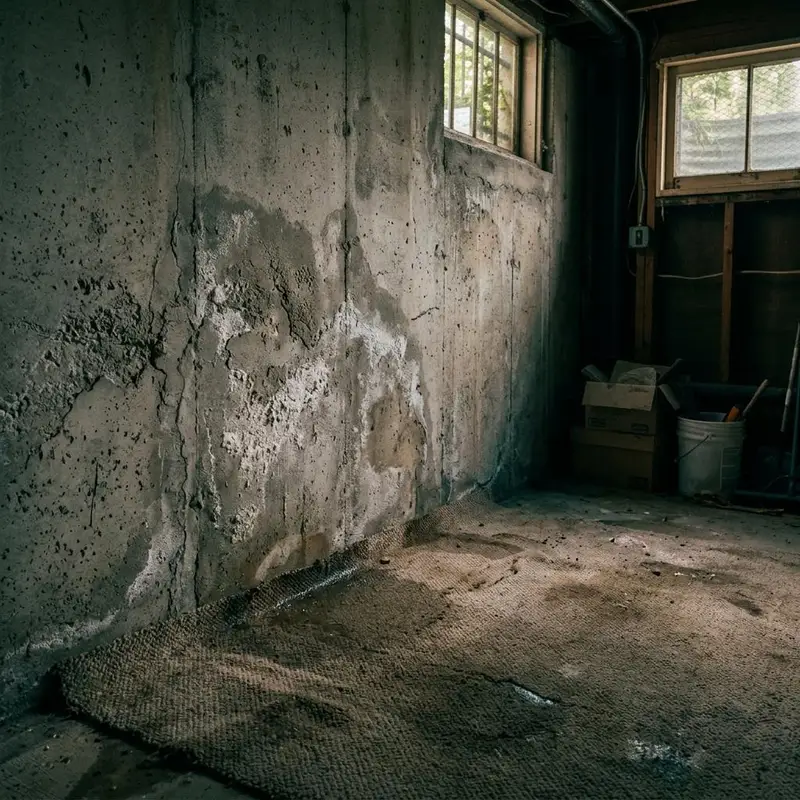
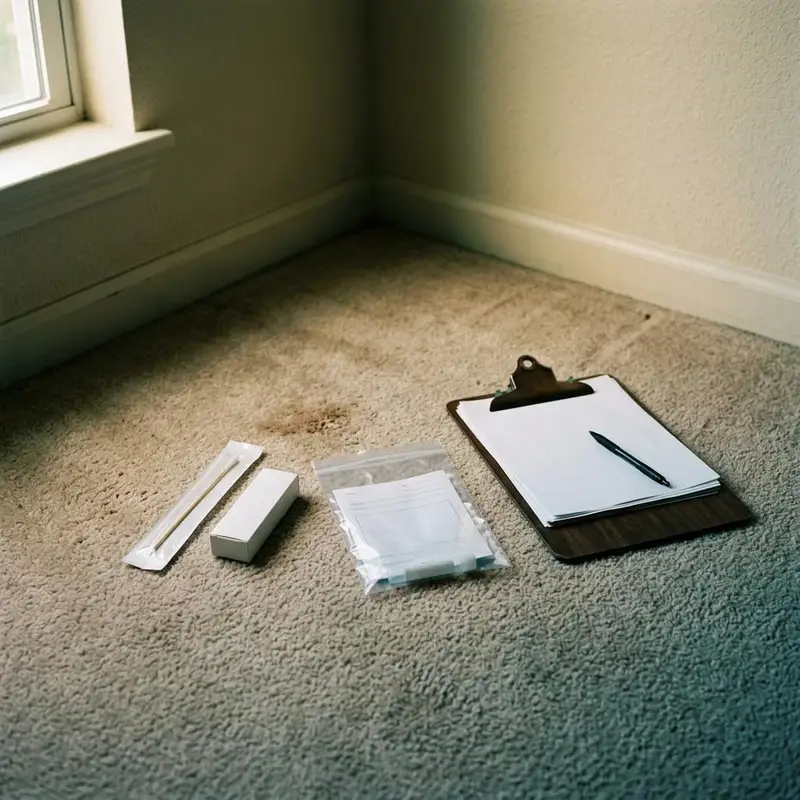
There are different types of tests. Surface sampling uses a swab or tape lift to collect mold from the carpet fibers. Air sampling uses a pump to capture spores floating in the room. Bulk sampling involves cutting a small piece of carpet for direct analysis. Each method gives different information. The choice depends on your goal. For example, air sampling can show what you are breathing, while surface sampling shows what is growing on the carpet.
Key differences between inspection and testing
The main difference is the level of detail. Inspection tells you if mold is likely present and where the moisture problem is. Testing tells you exactly what kind of mold it is and how much is there. Inspection is faster and less expensive. Testing takes more time and money but gives hard data.
Another difference is the outcome. An inspection leads to a plan for moisture control and removal. Testing leads to a lab report that can guide specific actions, especially if health concerns or legal issues are involved. For routine carpet mold problems, inspection is usually sufficient. For sensitive situations, testing adds valuable information.
When to choose inspection
Choose inspection when you can see or smell mold. If you walk into a room and notice a musty odor or spot dark patches on the carpet, you do not need a lab to tell you mold is there. An inspection will confirm the extent and help you find the moisture source. This is the most common scenario for homeowners and property managers.
Inspection is also the right choice when you are buying or selling a home. A professional can check for hidden moisture and mold before you commit to a purchase. If the inspector finds nothing, you can proceed with confidence. If they find signs, you can address them before closing.
When to choose testing
Testing is appropriate when you cannot see mold but suspect it is there. For example, if you had a water leak that was dried quickly but the area still feels damp. Mold can grow behind baseboards or under carpet padding where it is not visible. Air testing can detect elevated spore levels that suggest hidden growth.
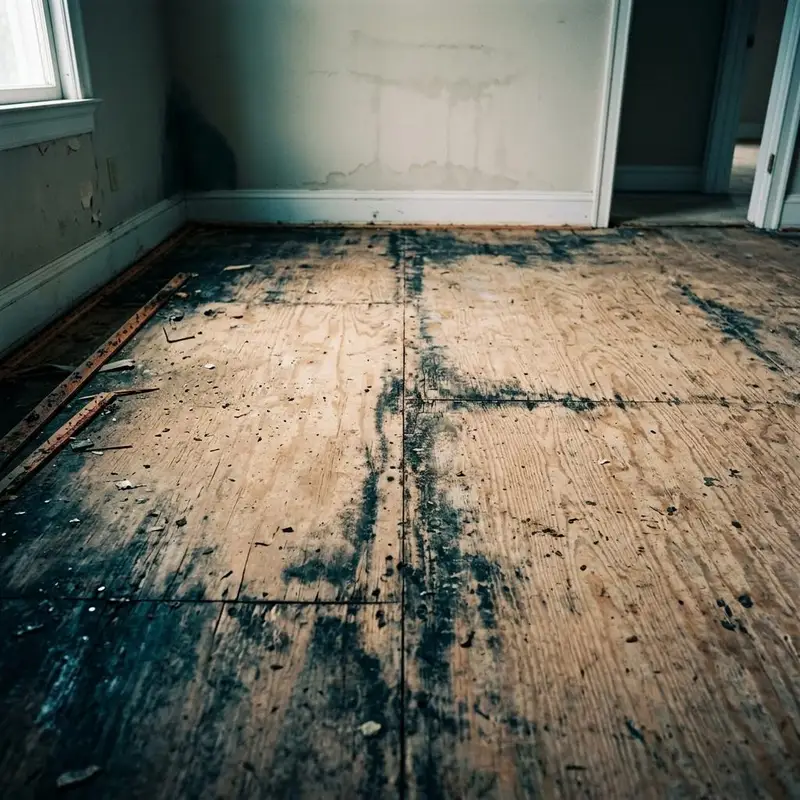
Testing is also useful if someone in the building has health issues that might be related to mold. A lab report can identify the species and help a doctor assess the risk. In some cases, testing is required for insurance claims or legal disputes. If you need proof of contamination or proof that cleanup was successful, testing provides objective evidence.
How the two work together
Inspection and testing are not always separate. A thorough approach often starts with inspection. If the inspector finds visible mold or moisture, they may recommend testing to get more information. For example, if the mold is in a hard-to-clean area like under the carpet, testing can show whether it has spread into the air. After removal, a second round of testing can confirm the air is clean.
Some professionals offer combined services. They inspect first, then take samples if needed. This saves time and ensures you only pay for what you actually need. Carpet Mold Removal Services Pros carpet mold removal services typically begin with an inspection and then advise on whether testing is necessary. This keeps the process efficient and focused on the real problem.
Practical steps for homeowners
If you find mold on your carpet, do not disturb it. Disturbance can release spores into the air. Contact a professional who can inspect the area safely. Explain what you see and smell. They will tell you whether testing is needed. In most cases, the answer is no. But if you have health concerns or the mold keeps coming back, testing can give you answers.
Keep records of any inspections and tests. If you ever sell the property or file an insurance claim, these documents are useful. Also, address the moisture source immediately. Mold will return if the dampness remains. Fix leaks, improve ventilation, and consider a dehumidifier in humid climates.
Common mistakes to avoid
- Assuming testing is always necessary. Many mold problems are obvious and do not require lab analysis.
- Skipping inspection and going straight to testing. Without an inspection, you may not know where to sample.
- Using DIY test kits without professional guidance. Results can be misleading without proper sampling technique.
- Ignoring the moisture source. Removing mold without fixing the leak is a temporary fix.
These mistakes can waste money or leave the problem unresolved. A structured approach saves time and gets better results.
Final thoughts
Choosing between carpet mold inspection and carpet mold testing comes down to what you need to know. If you already know mold is there, start with inspection and move to removal. If you need specific data for health or legal reasons, add testing. Both have their place, but inspection is the foundation. Without it, you are guessing. With it, you have a clear path forward. The key is to act promptly because mold does not wait. The longer it sits, the more it spreads and the harder it becomes to remove.